Cosmetic Dentistry
Composhaping in Aachen
Small corrections with a big effect: with composhaping, we reshape your teeth using high-quality composite material – without grinding down the healthy enamel. Shape, size and colour can thus be improved gently, often in just one session.
Modelled layer by layer
Layer 4: cured and polished – the finished shape.
Illustrative. What is possible depends on the findings and is discussed individually.
What is composhaping?
Composhaping is a minimally invasive cosmetic treatment in which tooth-coloured composite material is applied directly to the tooth and modelled. This allows small deviations in shape and size to be evened out, gaps to be visually reduced or edges to be reshaped harmoniously – tooth by tooth and matched to your face.
Unlike with veneers or crowns, the natural enamel usually does not have to be ground down. This makes the procedure particularly gentle, comparatively affordable and easy to repair or adjust. It can often be combined well with prior teeth whitening so that the initial and desired shades match.
How your new tooth shape is built
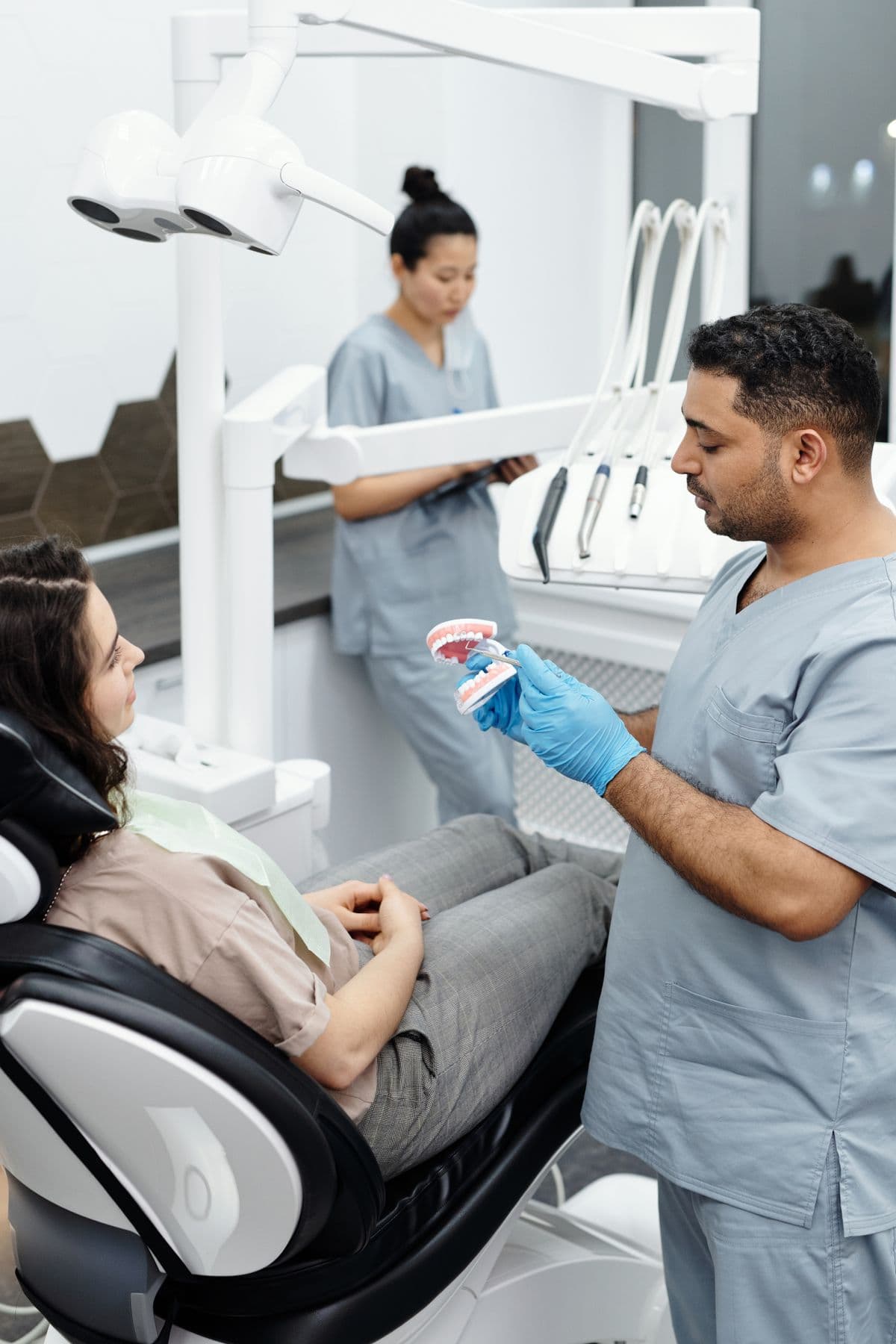
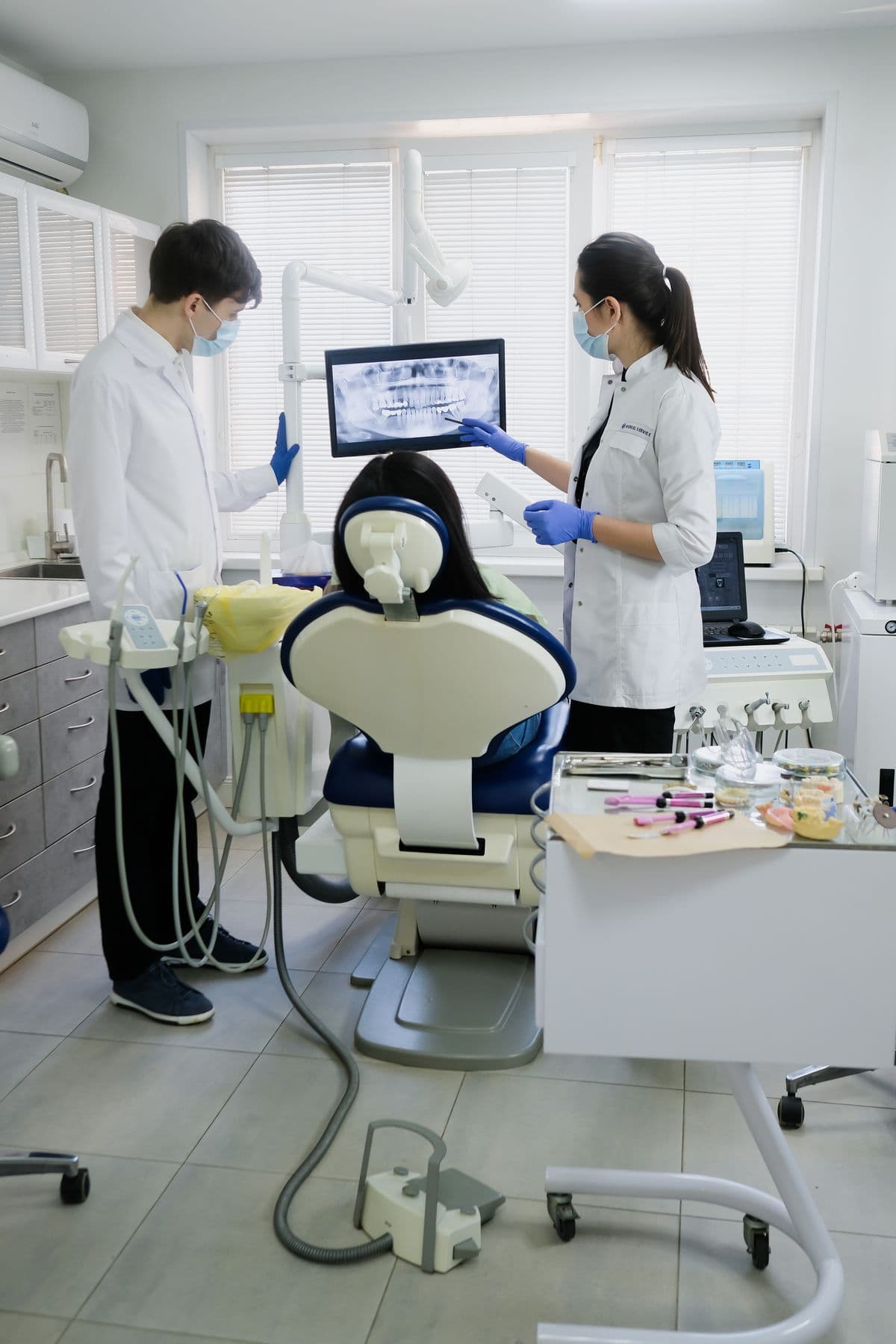
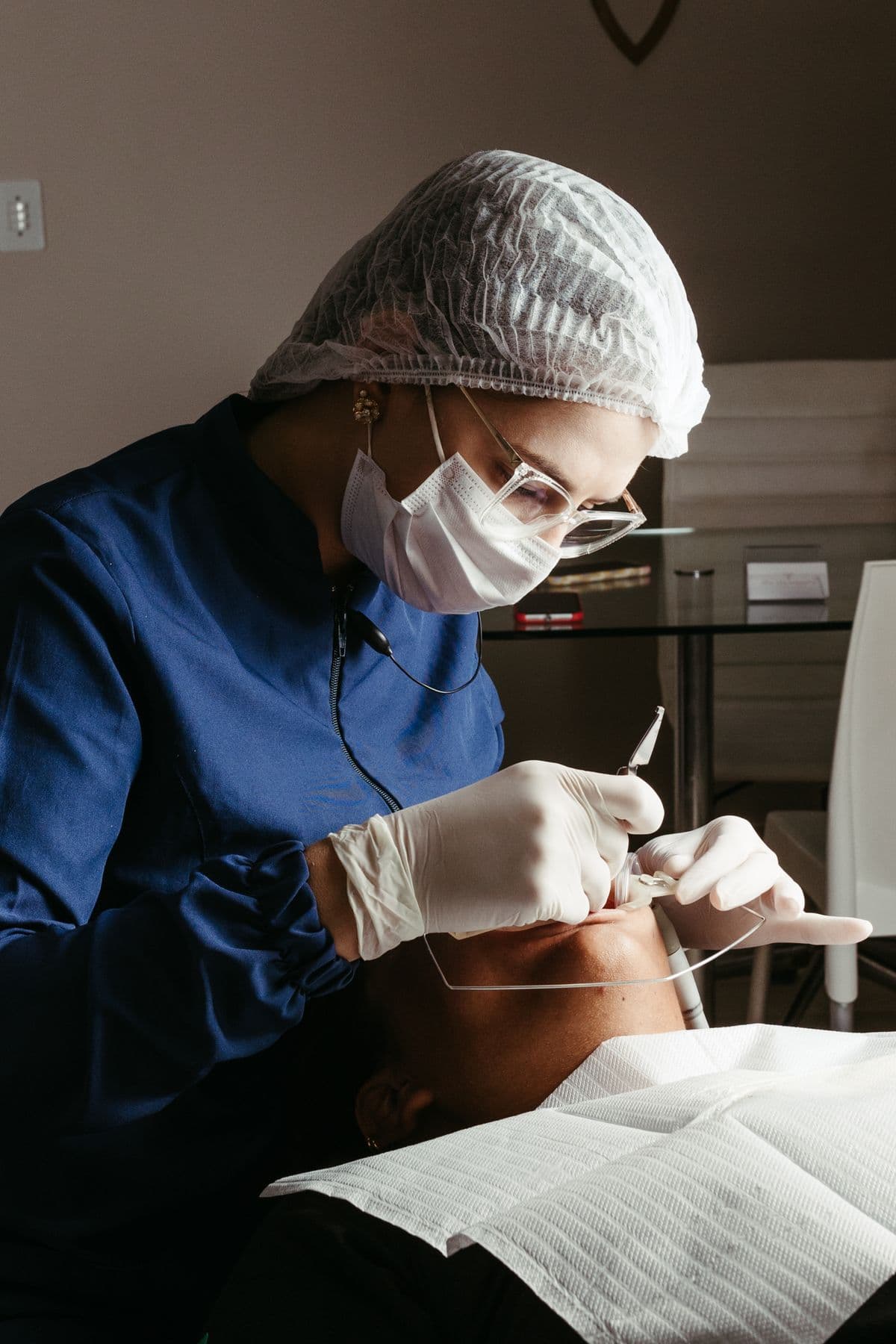
Layer by layer – five steps that build on one another.
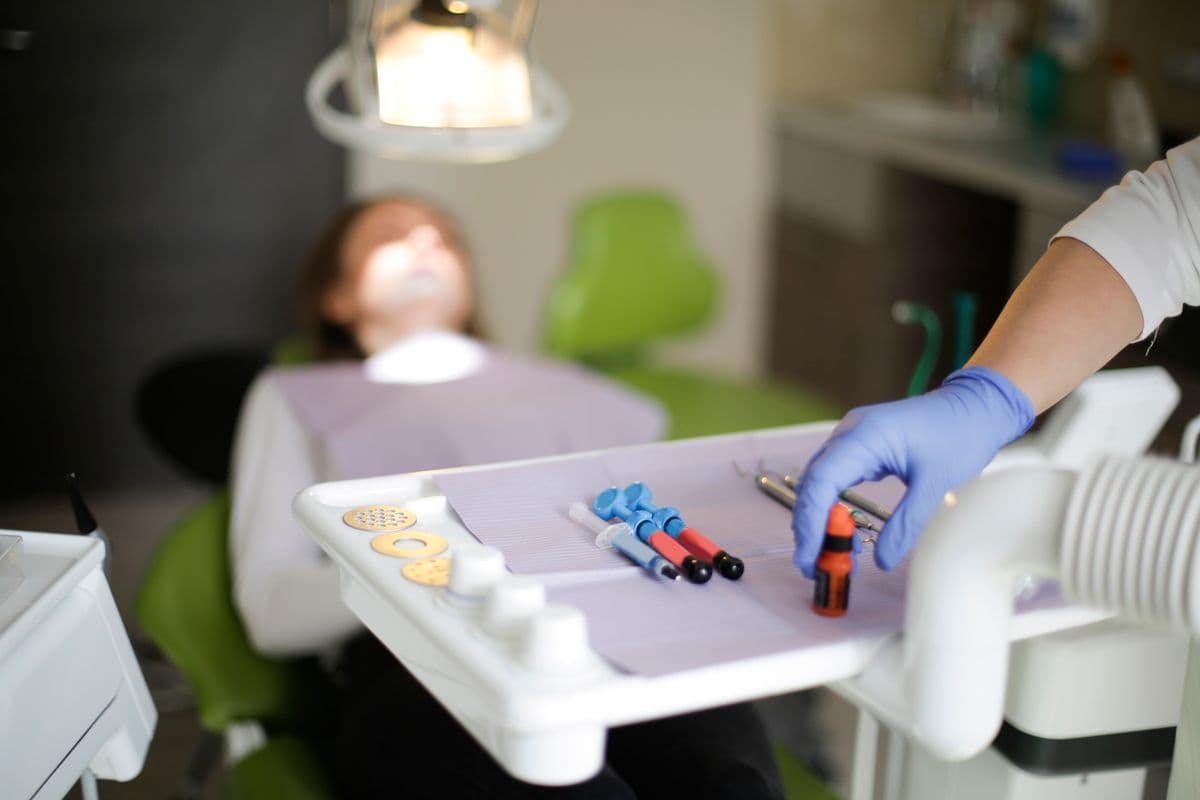
 illustrative
01 / 05 · Consultation & aesthetic goals
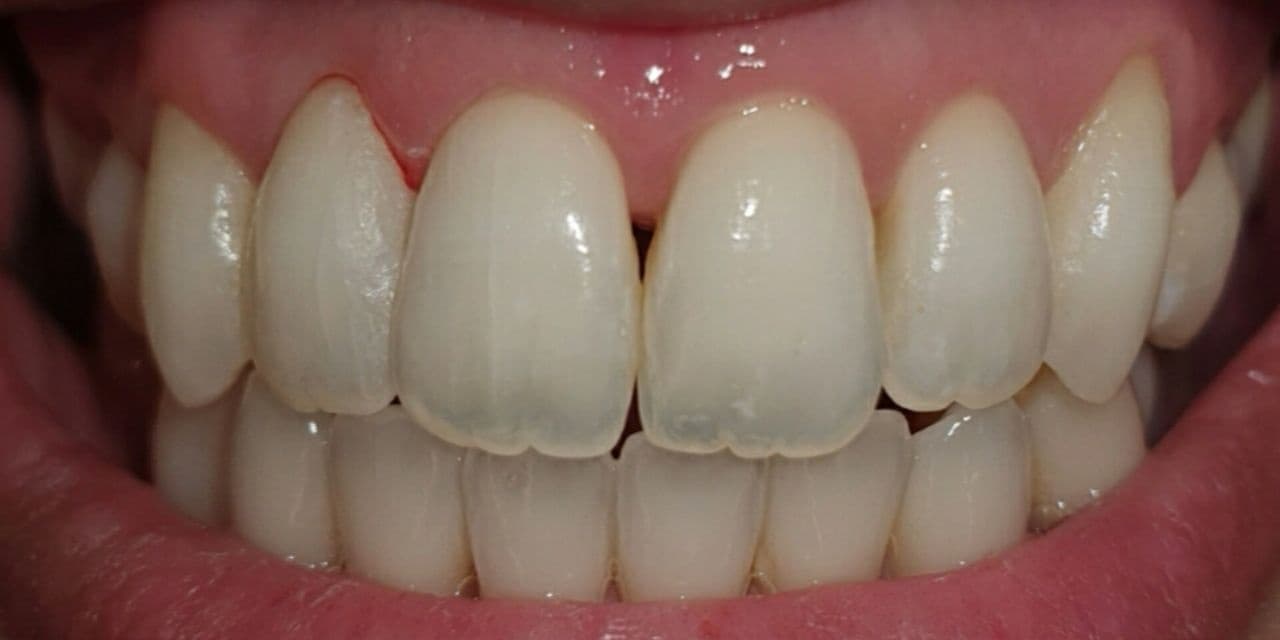
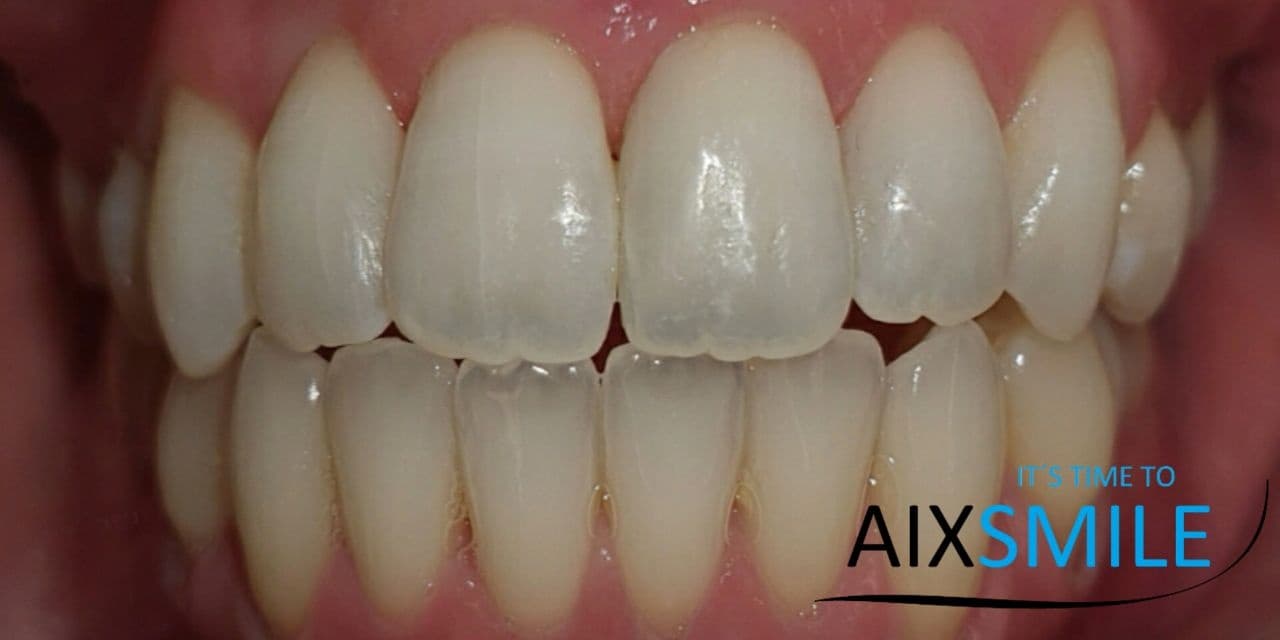
Before & After
A real before & after photo from our practice.
Costs & cost plan
The cost depends on the extent of the treatment – that is, how many teeth are treated and how elaborate the shaping is. Composhaping is a cosmetic private service. You receive a transparent plan in advance, so that you know exactly what to expect – with no hidden costs.
Frequently asked questions
What exactly is composhaping?
In composhaping, tooth-coloured composite material is applied directly to the tooth and modelled into shape. This allows the shape, size and colour of individual teeth to be improved in a minimally invasive way – for example to close small gaps or even out edges.
What is the difference compared to veneers?
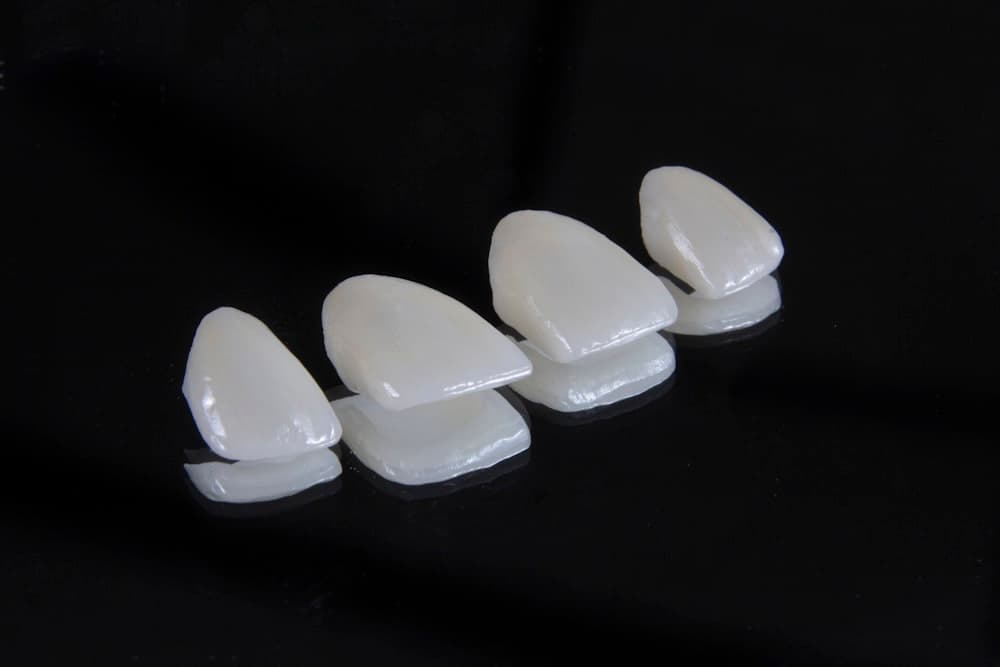
Veneers are thin ceramic shells, for which the tooth is usually slightly ground down and which are made in a laboratory. In composhaping, the material is built up directly on the tooth, usually without grinding down the enamel. This is gentler, more affordable and easier to adjust, while veneers are often the more durable solution for larger changes.
How long does the treatment take?
Composhaping can often be carried out in a single session. Depending on the number of teeth and the effort involved, the treatment usually takes about one to three hours, and the result is visible immediately afterwards.
Is the treatment painful?
Composhaping is usually painless, as the healthy enamel is generally not ground down. A local anaesthetic is possible on request or if needed.
How do I care for the treated teeth?
Care barely differs from your everyday routine: regular brushing, dental floss and professional dental cleaning. Strongly colouring indulgences such as coffee, tea, red wine or nicotine can affect the composite over time – we are happy to go into this during the consultation.
Is composhaping reversible?
Since the natural tooth is usually preserved, the procedure is considered particularly conservative of tooth substance and partly reversible. The composite can also be repaired or adjusted comparatively easily.