Tooth Preservation
Root canal treatment in Aachen
An inflamed or dead tooth usually no longer has to be extracted today. With a root canal treatment (endodontics) we remove the diseased tissue from inside the tooth and preserve it – gently, under reliable anaesthesia and with modern technology.
Saving the tooth from the inside
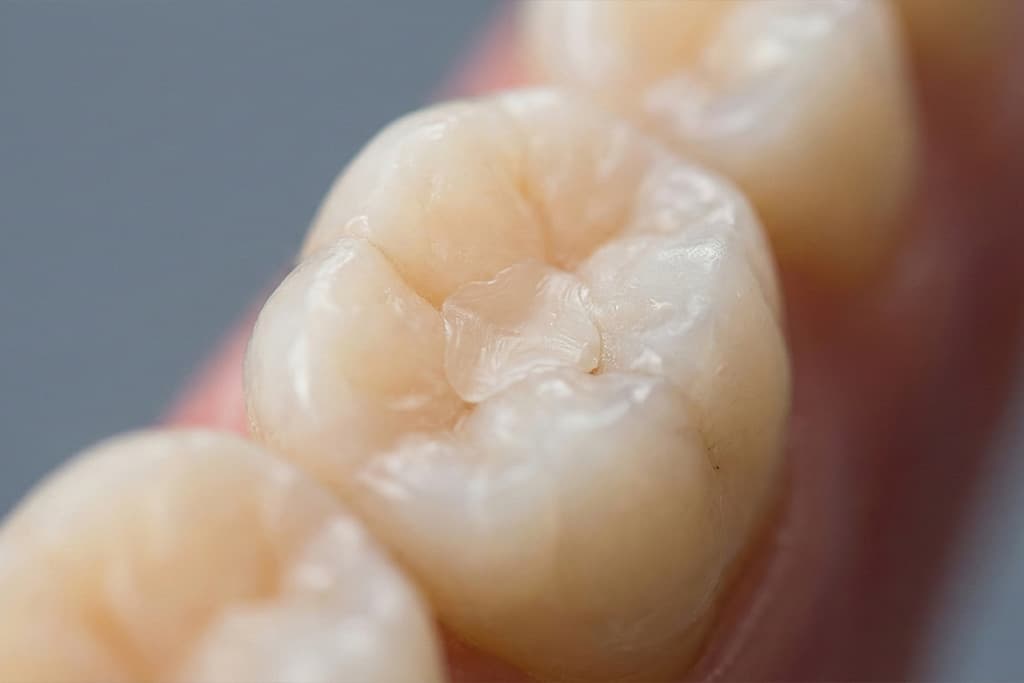
The tooth is stably restored – depending on the findings, often with a crown to protect it from fracture.
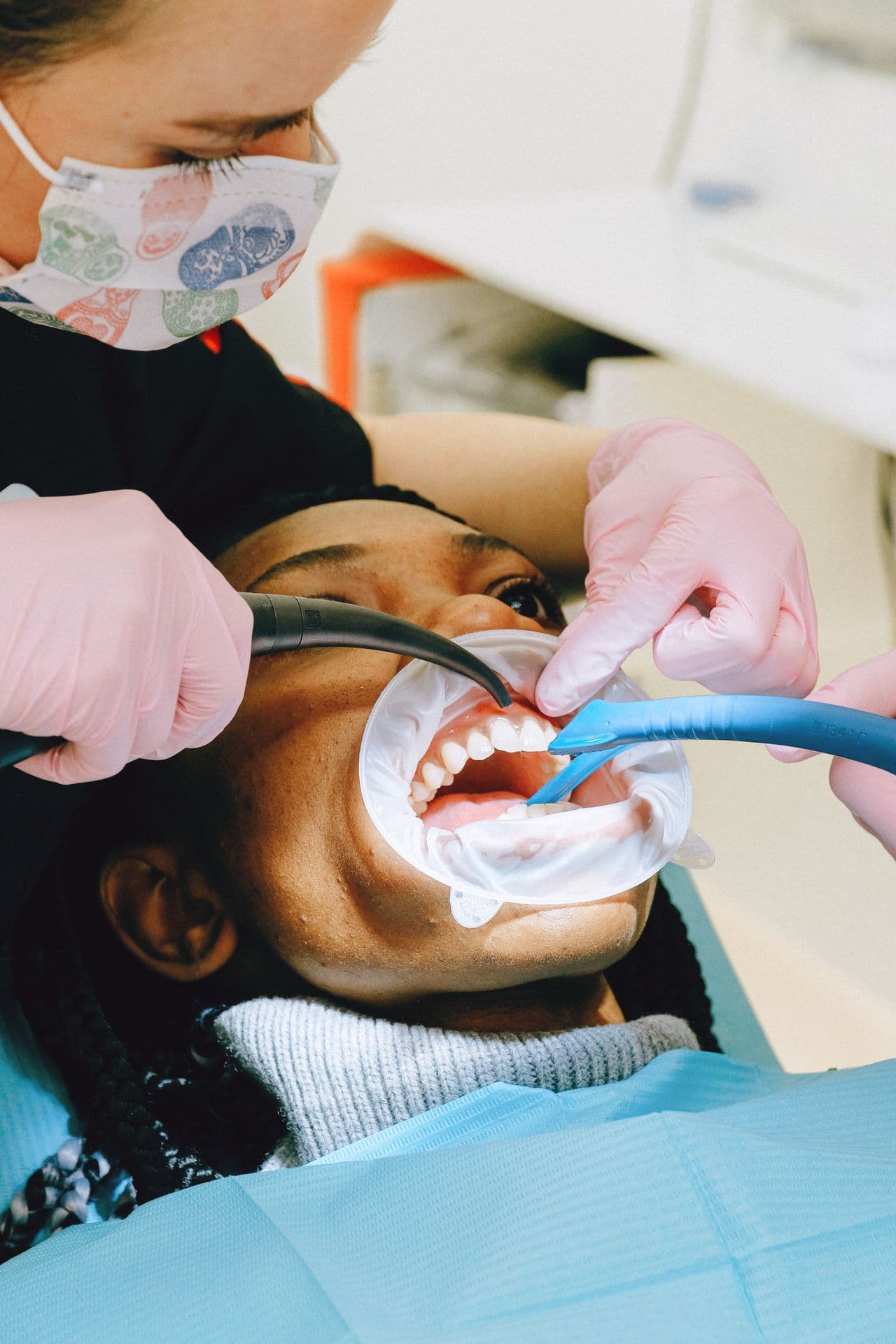
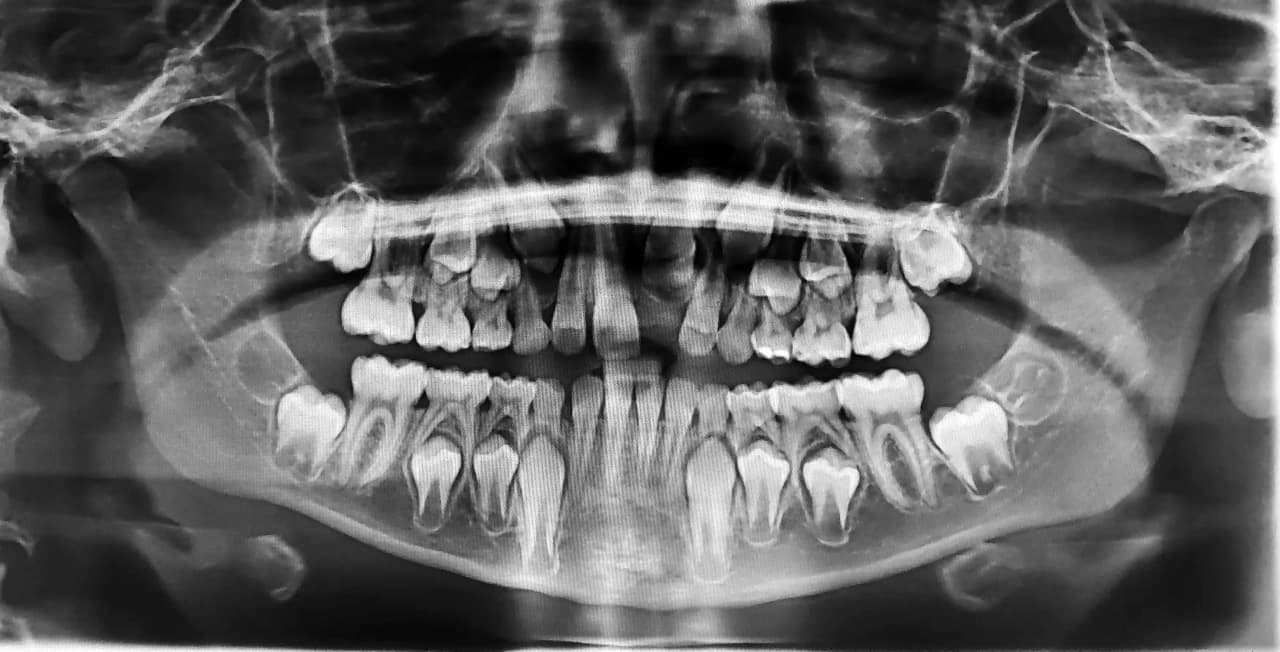
01 / 03 · Examination & diagnosis
What is a root canal treatment?
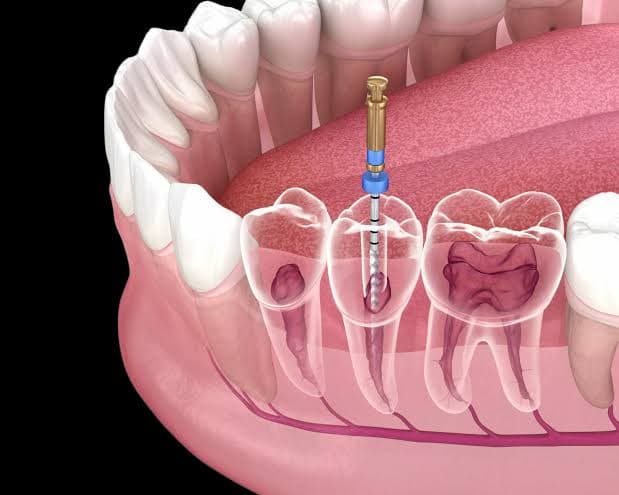
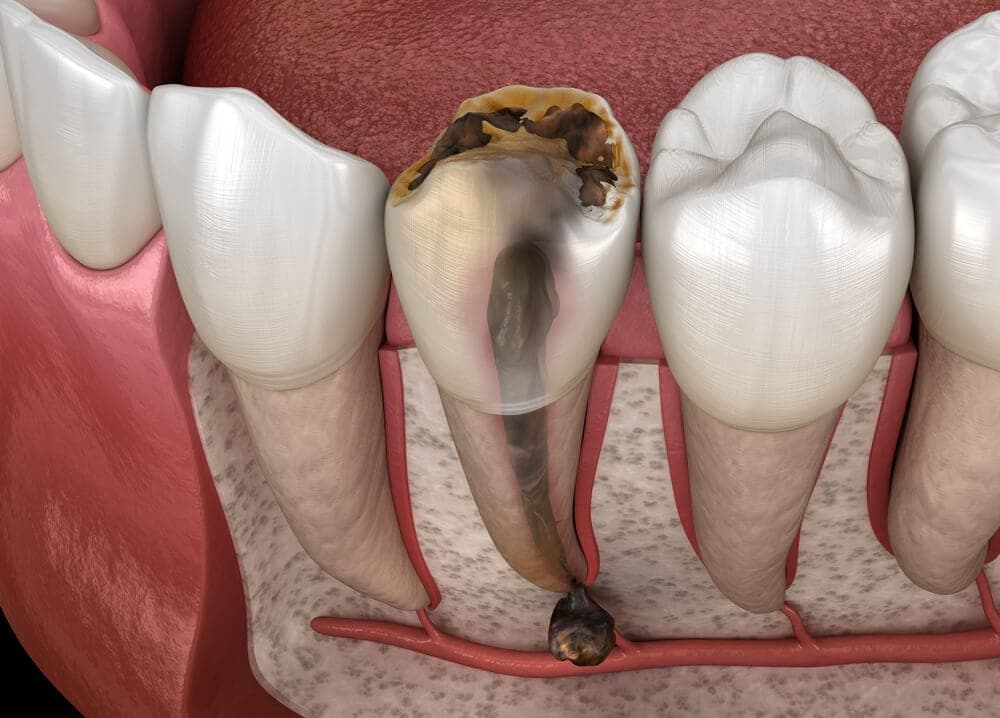
Inside every tooth run fine canals containing nerves and blood vessels. If bacteria penetrate there – for example through deep caries or a crack – the tissue can become inflamed or die. In a root canal treatment this diseased tissue is removed from the root canals, the canals are thoroughly cleaned, disinfected and then tightly filled.
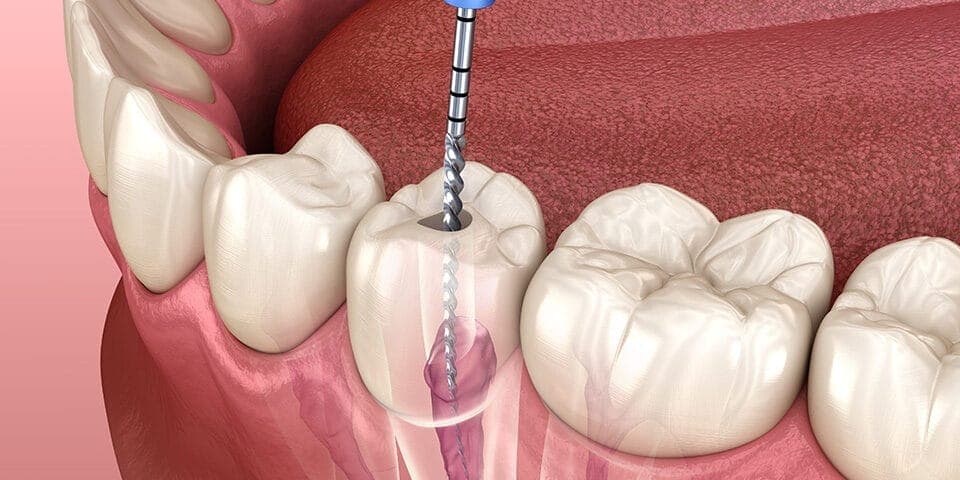
The goal is always to preserve your own tooth rather than extract it. Modern techniques such as mechanical preparation of the canals and strong optical magnification increase precision and make the treatment more comfortable for you.
The goal is always to preserve your own tooth – rather than extract it.
Your treatment, step by step
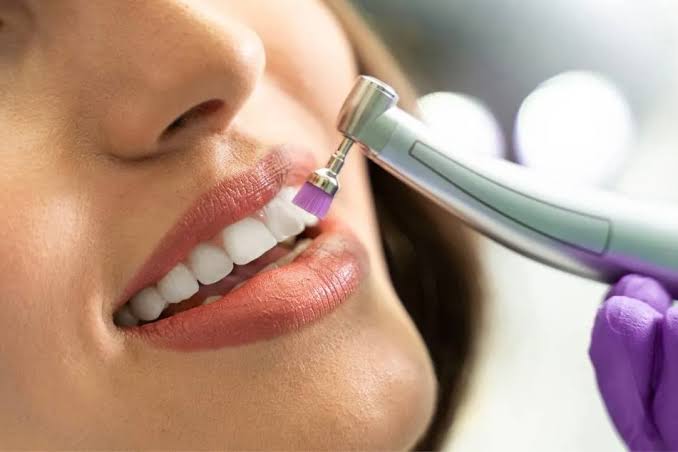
Step by step from the opened tooth deep into the root canal – and safely sealed again.
 illustrative
01 / 06 · Diagnosis & consultation
Costs & cost plan
For a tooth worth preserving, the basic treatment is often covered by the statutory health insurance. Modern additional services – such as a particularly elaborate preparation or restoration – may be private services depending on the findings. We inform you transparently about the approach and possible costs in advance, before the treatment begins.
Frequently asked questions
Is a root canal treatment painful?
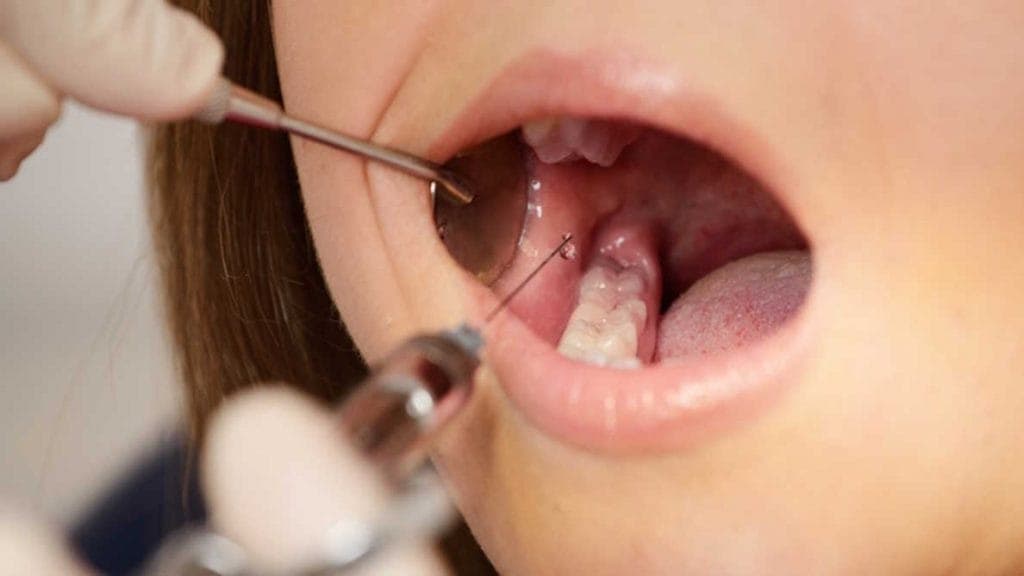
As a rule, no. The tooth is reliably anaesthetised before the treatment, so you usually feel nothing during it. Often a root canal treatment even relieves the severe pain of an acute inflammation. After the treatment the tooth may be temporarily a little sensitive.
What are the chances of success?
With a properly performed root canal treatment, the prospects of preserving the tooth permanently are good in many cases. How well the healing proceeds depends, among other things, on the initial findings, the anatomy of the root canals and a stable final restoration. We assess this individually for you after the diagnosis.
How many appointments are needed and how long does it take?
That depends on the tooth and the findings. Some treatments can be completed in a single session, others require several appointments. We discuss the likely process with you after the examination.
Will I need a crown afterwards?
A root-treated tooth is often less stable than a healthy tooth. With molars in particular, a crown is therefore frequently recommended to protect the tooth from fracture. Whether that makes sense in your case is something we clarify together.
What is the alternative to a root canal treatment?
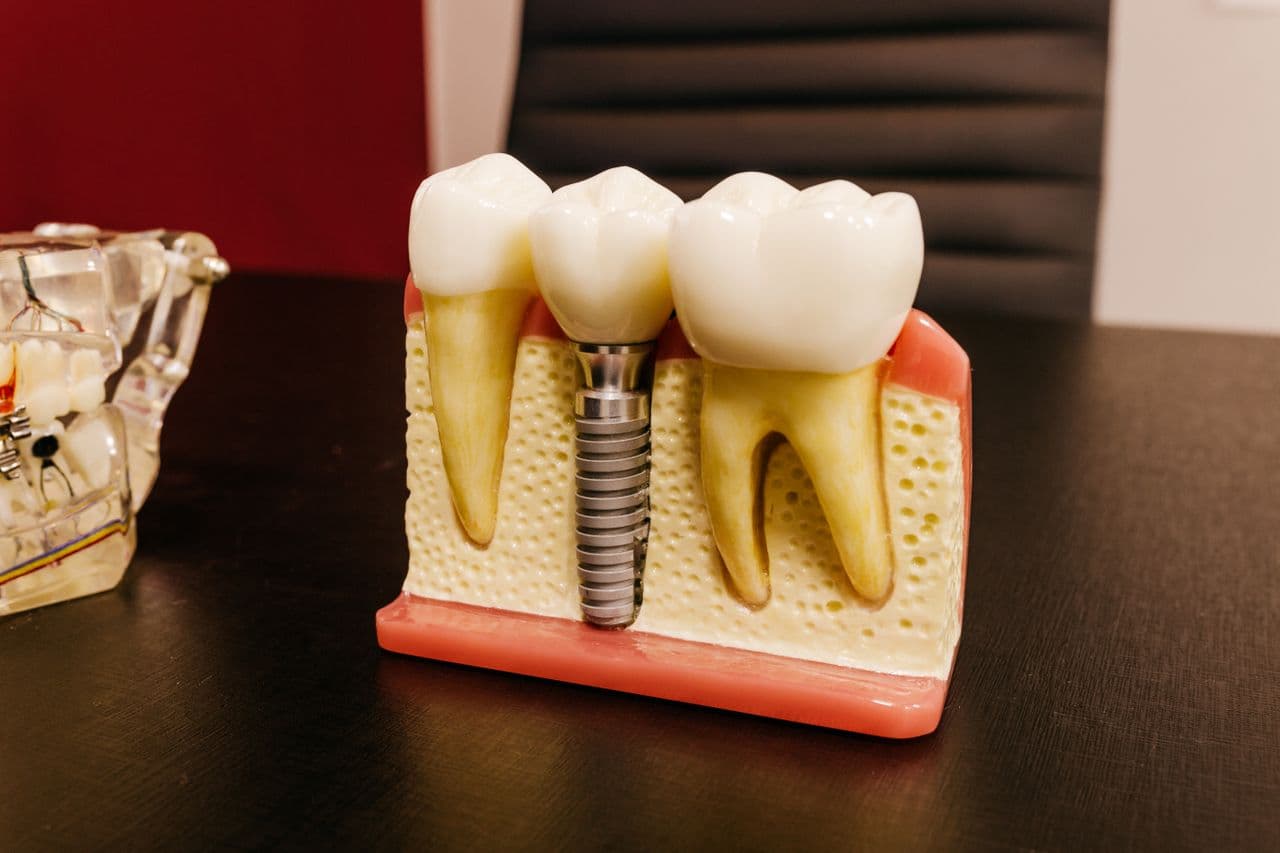
The alternative is usually to extract the tooth. This creates a gap that should later be restored with a prosthetic – such as an implant or a bridge. A root canal treatment, by contrast, aims to preserve your own tooth. Which path is right for you is something we discuss individually.