Cosmetic Dentistry
Veneers in Aachen
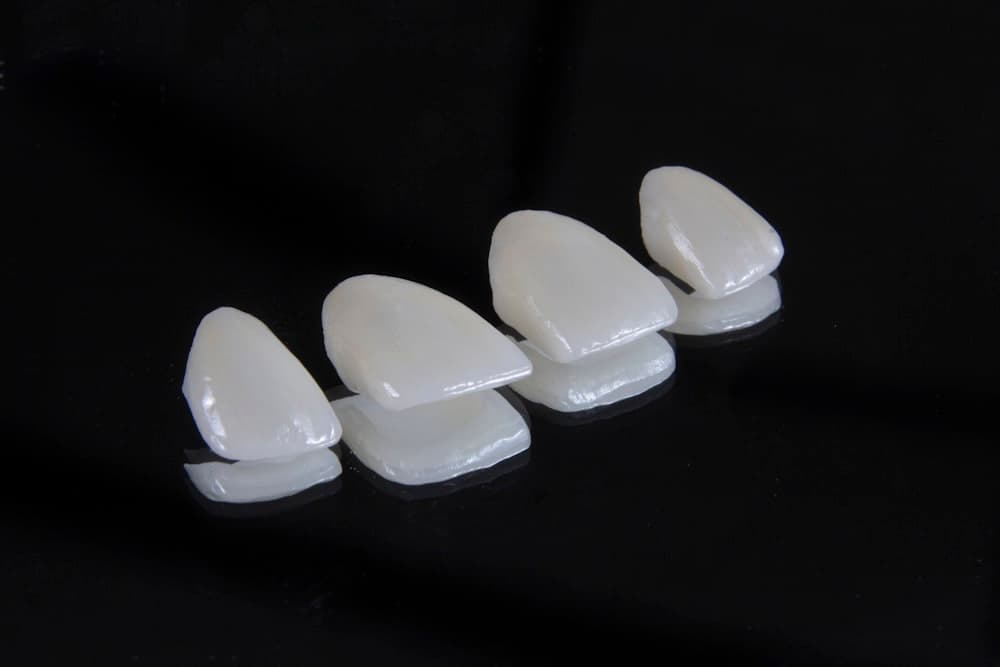
Wafer-thin shells made of high-quality ceramic or composite, bonded to the front of the teeth: veneers correct discolouration, worn edges and uneven shapes – for a natural, harmonious smile that suits you in colour and shine.
How a veneer works
- Your own tooth – its colour stays
- Veneer: a thin, slightly brighter shell on the front
Illustrative only.
Anatomy of a veneer
- Your own tooth – its substance stays
- Ceramic veneer: a thin shell on the front only
Illustrative only.
Veneers cover only the visible front — conserving tooth substance.
What are veneers?
Veneers are thin facing shells that are permanently applied to the visible front surface of the anterior teeth. They change the colour, shape and position of individual teeth without crowning the entire tooth. This allows discolouration, small gaps as well as worn or irregular teeth to be corrected aesthetically – with a result that takes its cue from your natural teeth.
Two materials are available: ceramic veneers are particularly stain-resistant, translucent and, with good care, stable for many years. Composite veneers are more affordable and easier to repair later on. Unlike a crown, which encloses the entire visible tooth, or a bridge, which replaces missing teeth, a veneer only covers the front of your own tooth.
Ceramic veneers
- Particularly stain-resistant
- Translucent & natural
- Stable for many years with good care
Composite veneers
- More affordable
- Easier to repair later

We decide together which material suits you during the consultation.
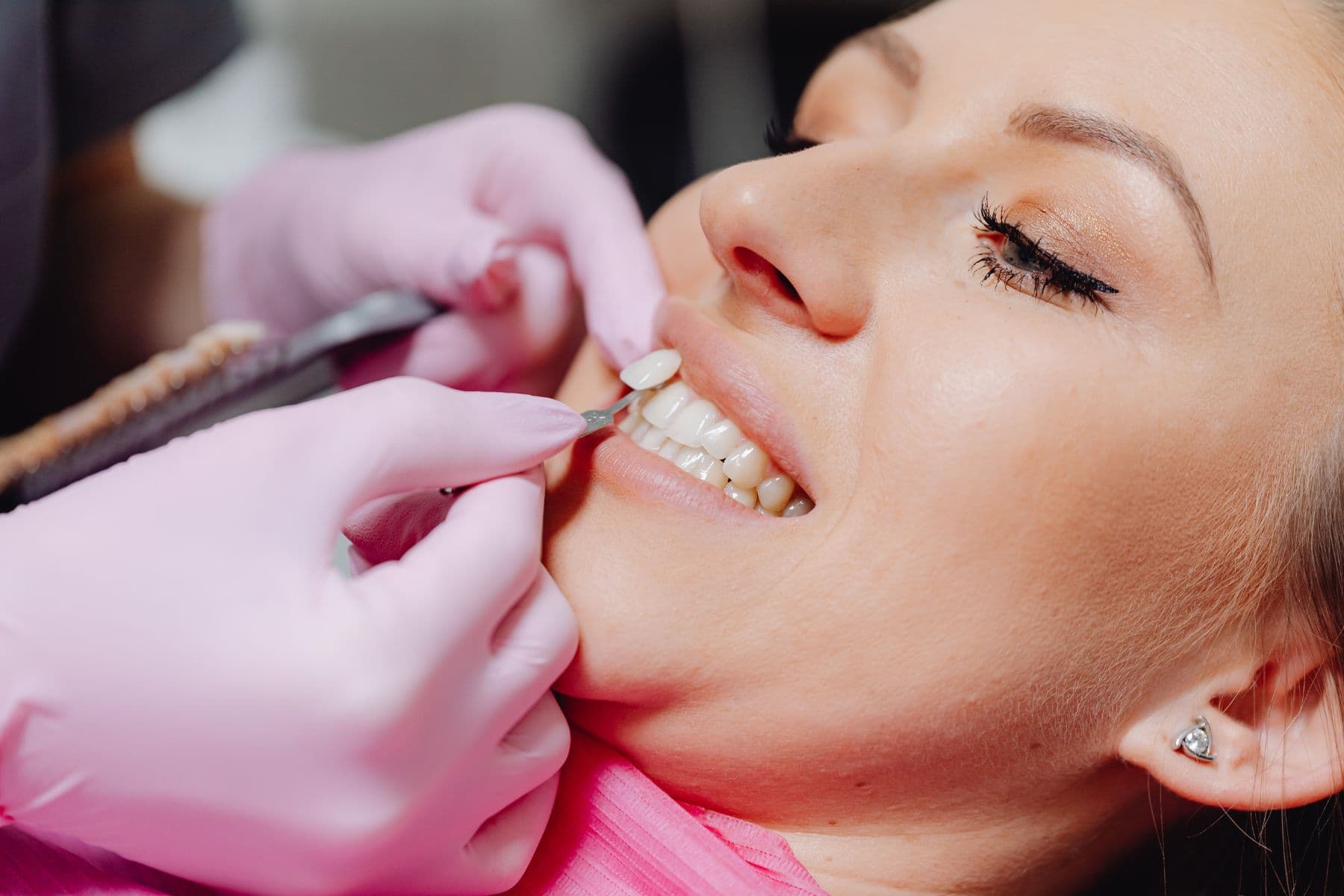
Your treatment, step by step
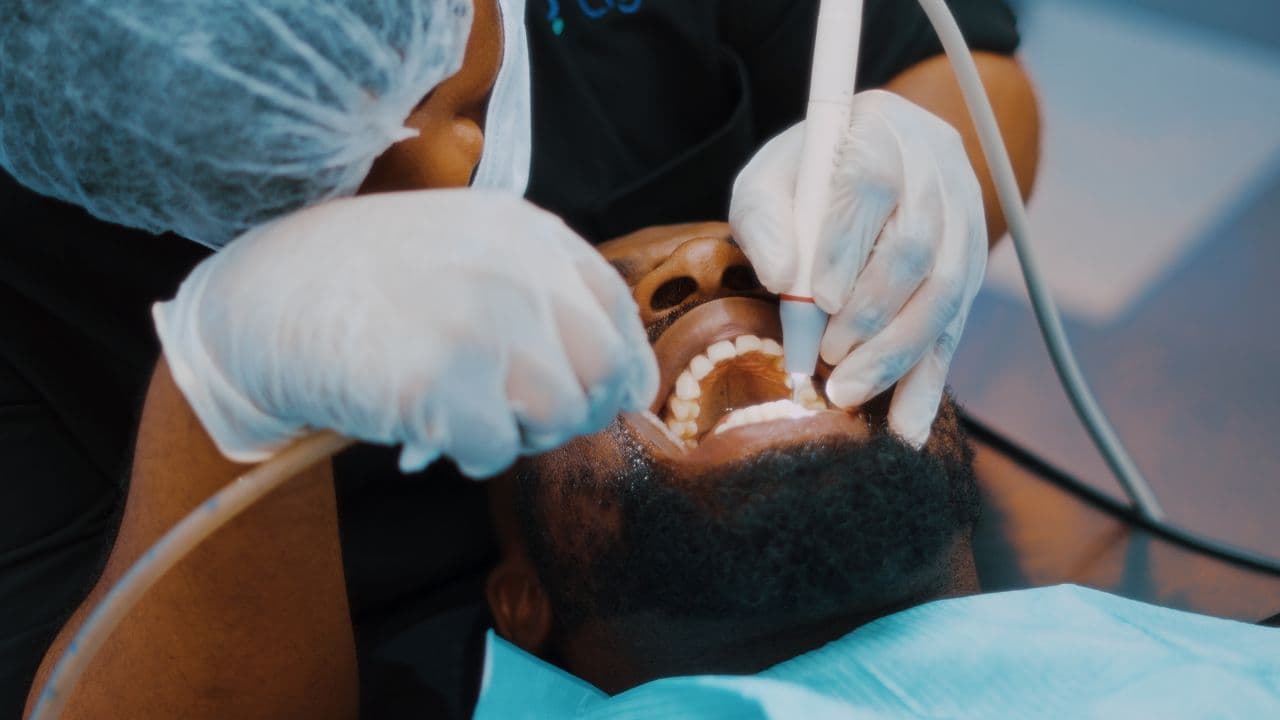
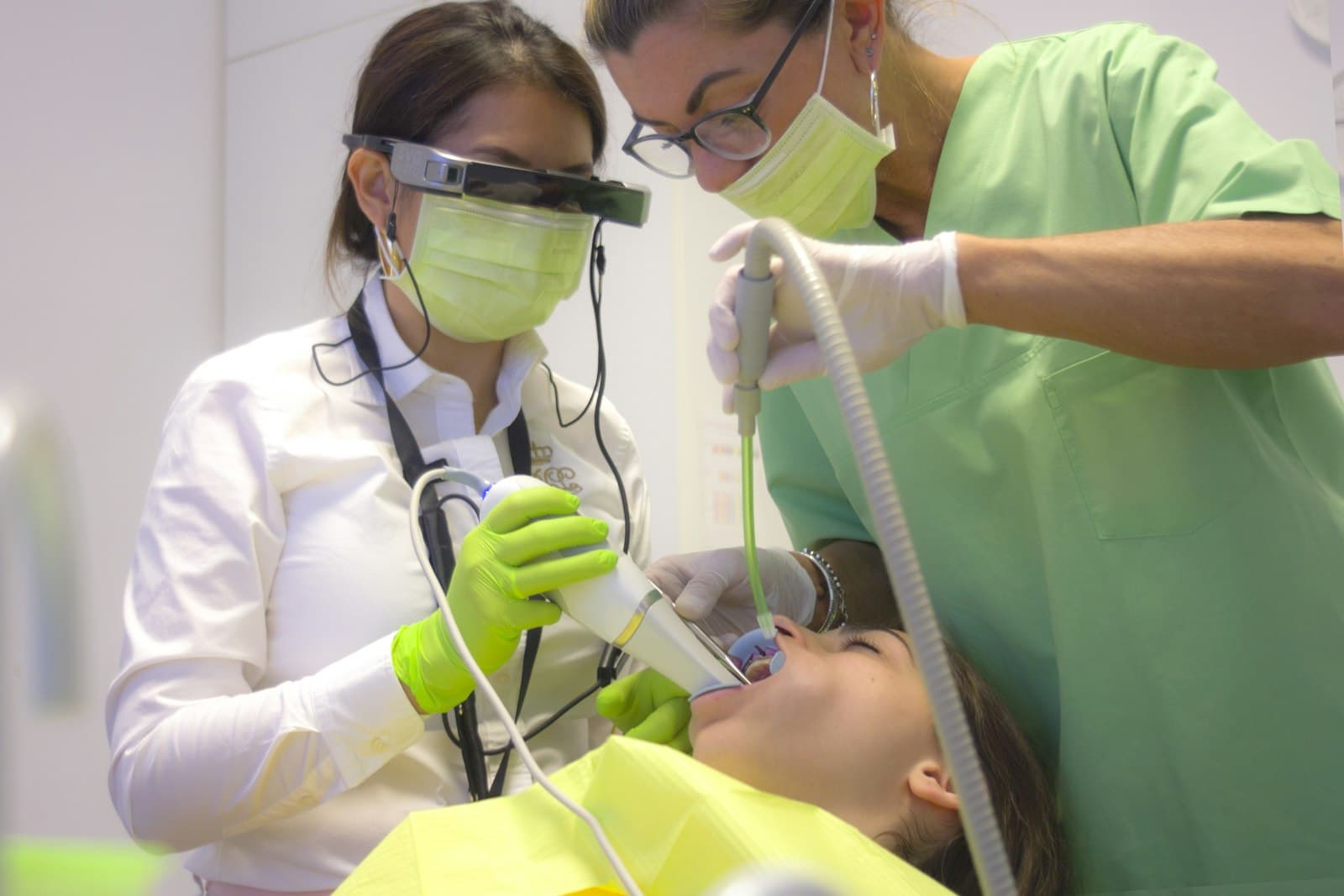
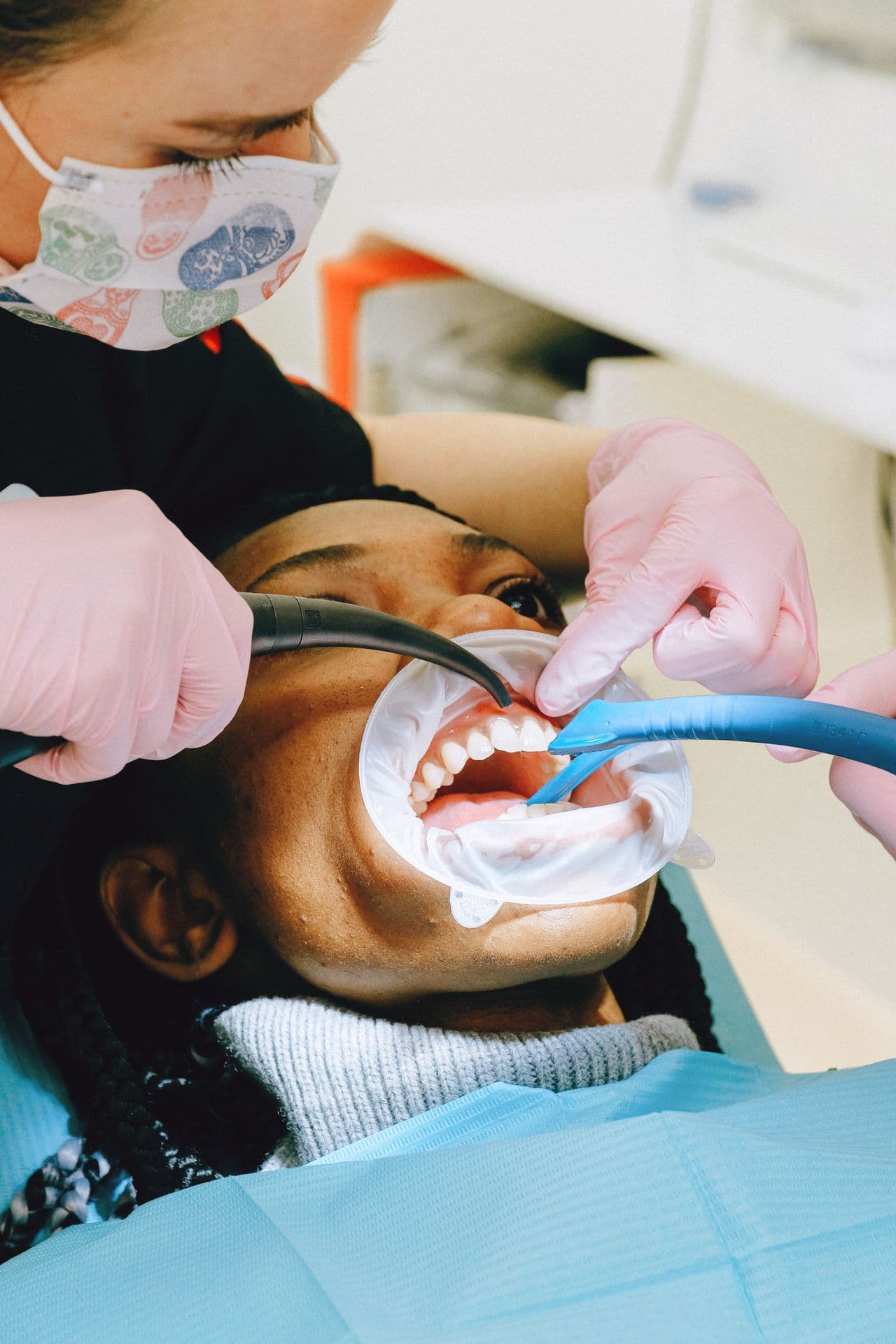 illustrative
01 / 05 · Consultation & shade matching
Before & After
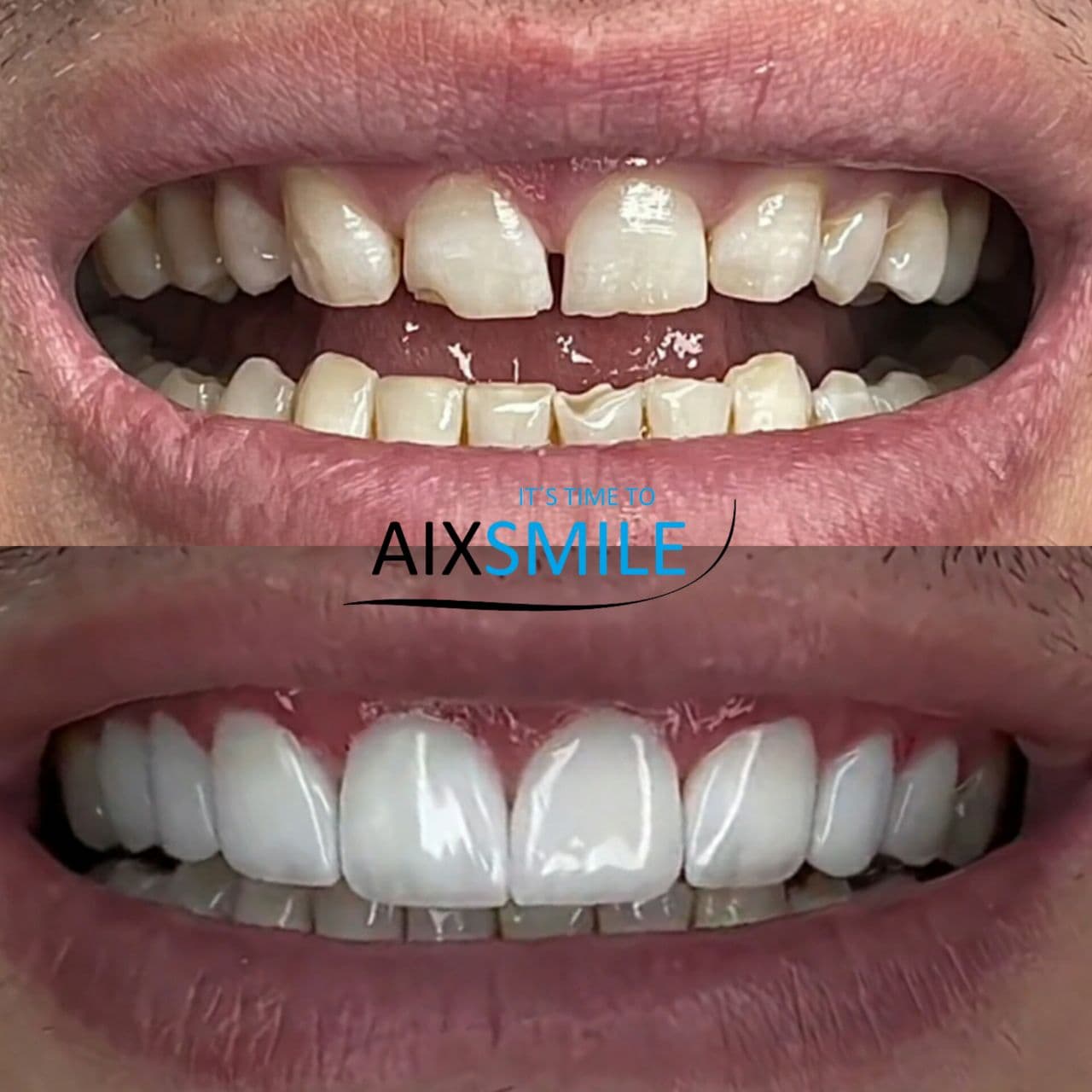
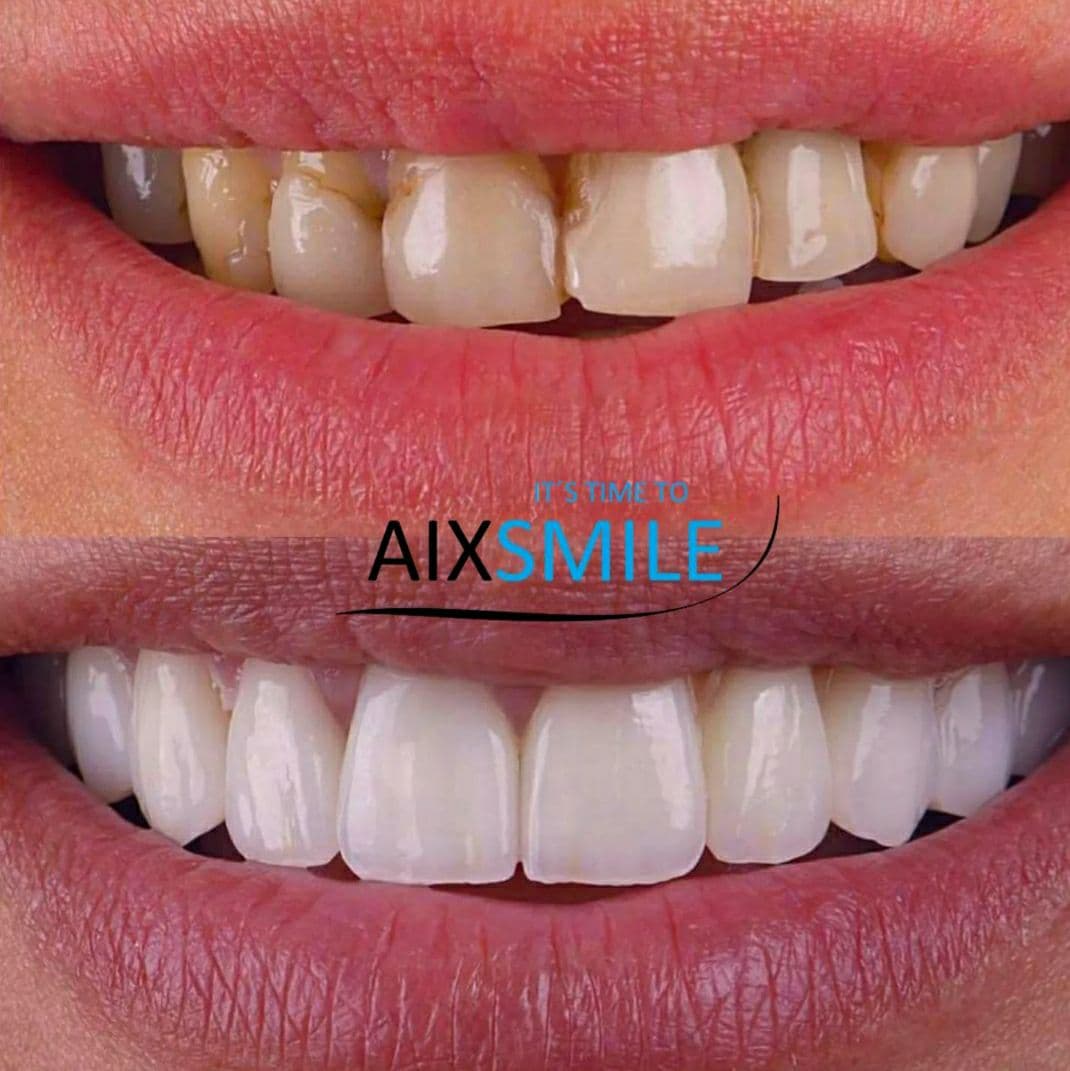
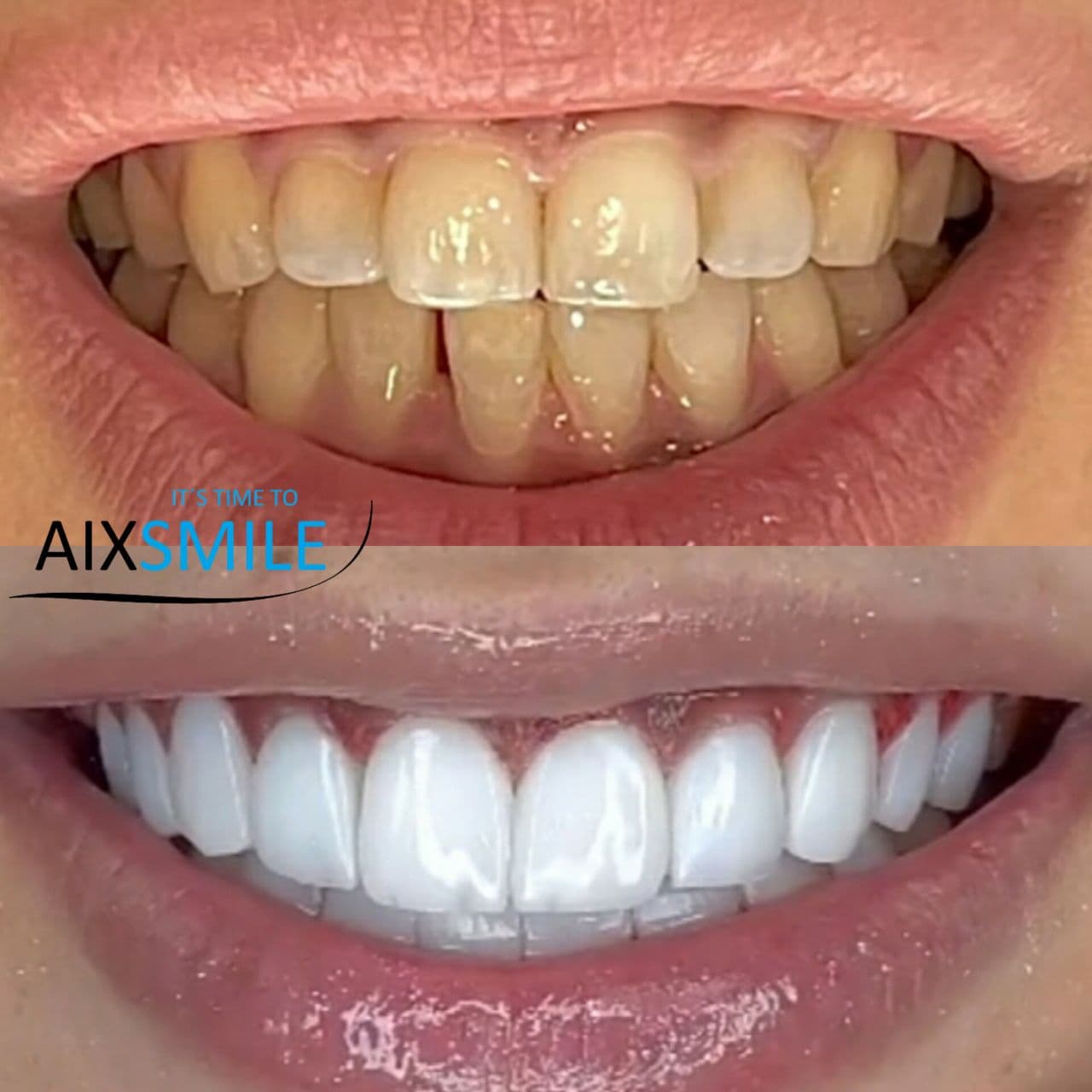
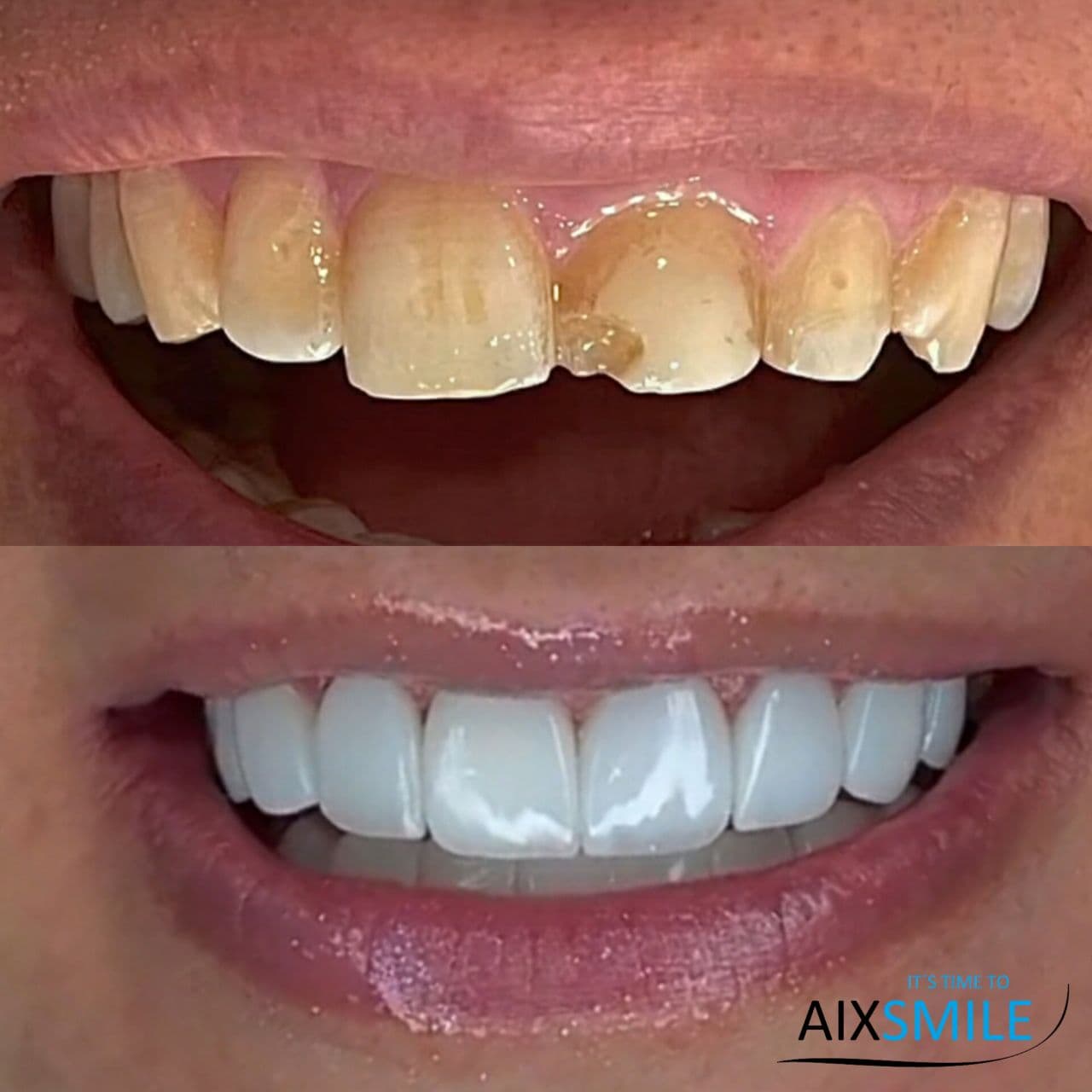
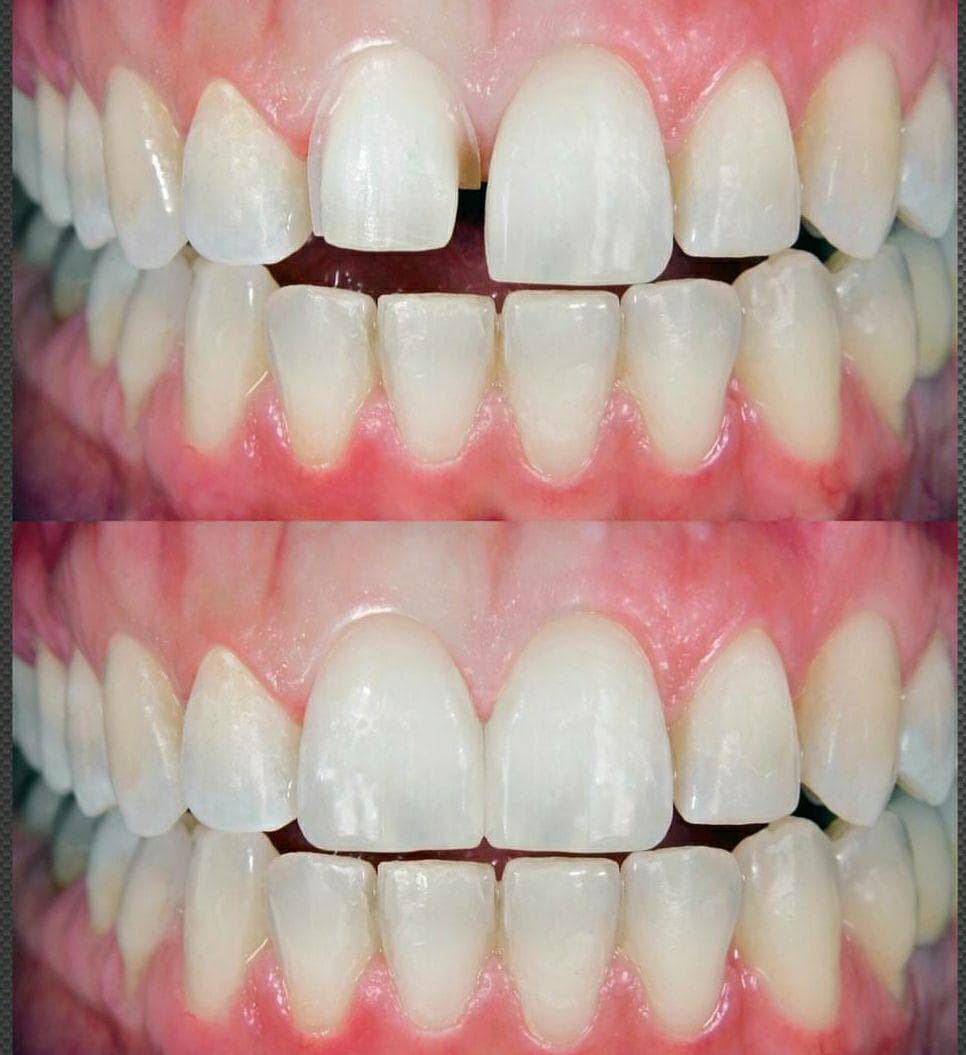
An interactive example is at the top. Below are real before & after photos from our practice.
Costs & cost plan
The cost depends on the material (ceramic or composite) and the number of teeth. Veneers are a cosmetic private service. After the consultation and planning, you receive a transparent treatment and cost plan in advance – with no hidden costs.
Frequently asked questions
What exactly are veneers?
Veneers are wafer-thin shells made of ceramic or composite that are bonded to the front surface of the teeth. They improve the colour, shape and position of the visible anterior teeth and create a natural, even smile.
How long do veneers last?
With good oral hygiene and regular check-ups, ceramic veneers are stable for many years. Composite veneers are generally less durable, but are easier to repair. The actual longevity depends greatly on care and your habits.
Will my teeth be ground down for this?
Usually only a very thin layer of enamel is removed under local anaesthetic so that the veneer fits precisely. With particularly thin variants, often little or no grinding is needed. We work as conservatively as possible.
What is the difference compared to a crown?
A veneer only covers the visible front of the tooth and is therefore much more conservative of tooth substance. A crown, on the other hand, encloses the entire visible tooth. Which solution makes sense depends on the condition of the tooth and the desired result.
Do veneers get stained over time?
Ceramic veneers are very stain-resistant and retain their colour for a long time. Composite veneers are somewhat more likely to discolour over time due to coffee, tea, red wine or nicotine. Careful care helps to maintain the result.
How do I care for my veneers?
Veneers are cared for like your own teeth: regular brushing, interdental cleaning and routine check-up appointments. After a short adjustment period, you can eat normally; however, you should avoid very hard or very sticky foods.