Orthodontics
Braces in Aachen
Metal, ceramic, or invisible behind the teeth: fixed braces correct dental misalignments reliably and continuously – we'll advise you on which type of bracket suits you best.
Straight – adjustment after adjustment
Final adjustment: a straight, harmonious front row.
Illustrative depiction of tooth movement. The number of adjustments, the duration and suitability are individual and are discussed after the diagnostics.
Drag the slider – the row straightens step by step.
How does a fixed brace work?
With a fixed brace, small brackets are bonded to the teeth and connected with a thin wire. The wire applies gentle, continuous pressure that moves the teeth step by step into the planned position. Unlike aligners, the brace stays in the mouth the whole time and is not removed.
You can choose between different bracket types: metal brackets are especially robust and usually the most affordable option. Ceramic brackets are tooth-coloured and therefore much less noticeable. Lingual brackets are attached to the inside of the teeth and are practically invisible from the outside. We'll advise you on which option fits your situation and preferences.
Which braces suit you?
Three photos from our practice – metal, ceramic and lingual compared.
Metal brackets
Robust and usually the most affordable option.
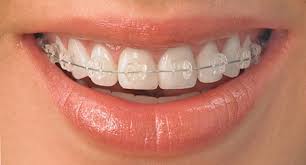
Ceramic brackets
Tooth-coloured and therefore much less noticeable.
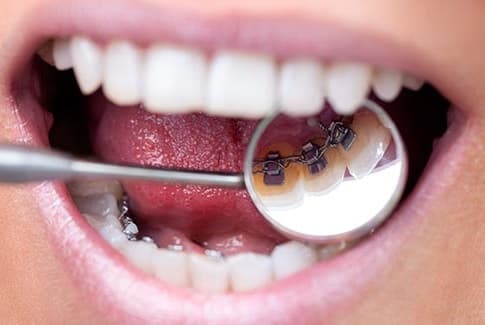
Lingual brackets
On the inside of the teeth – practically invisible from the outside.
Your treatment, step by step
From consultation to retainer.
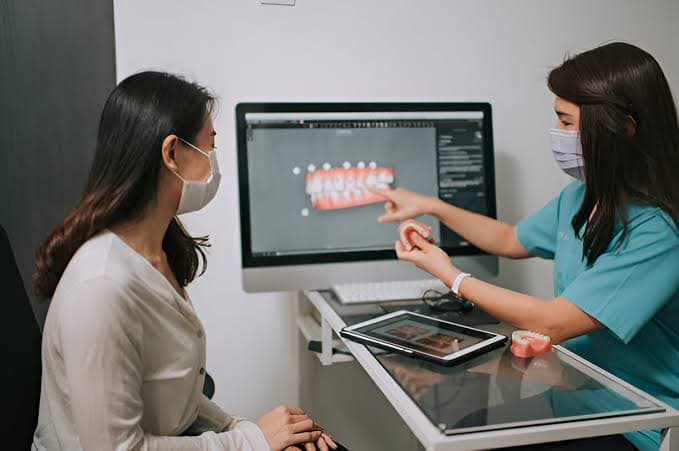
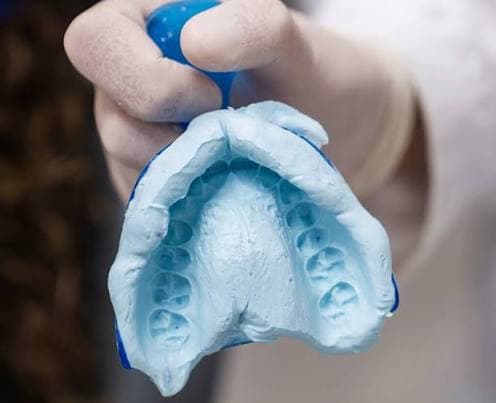
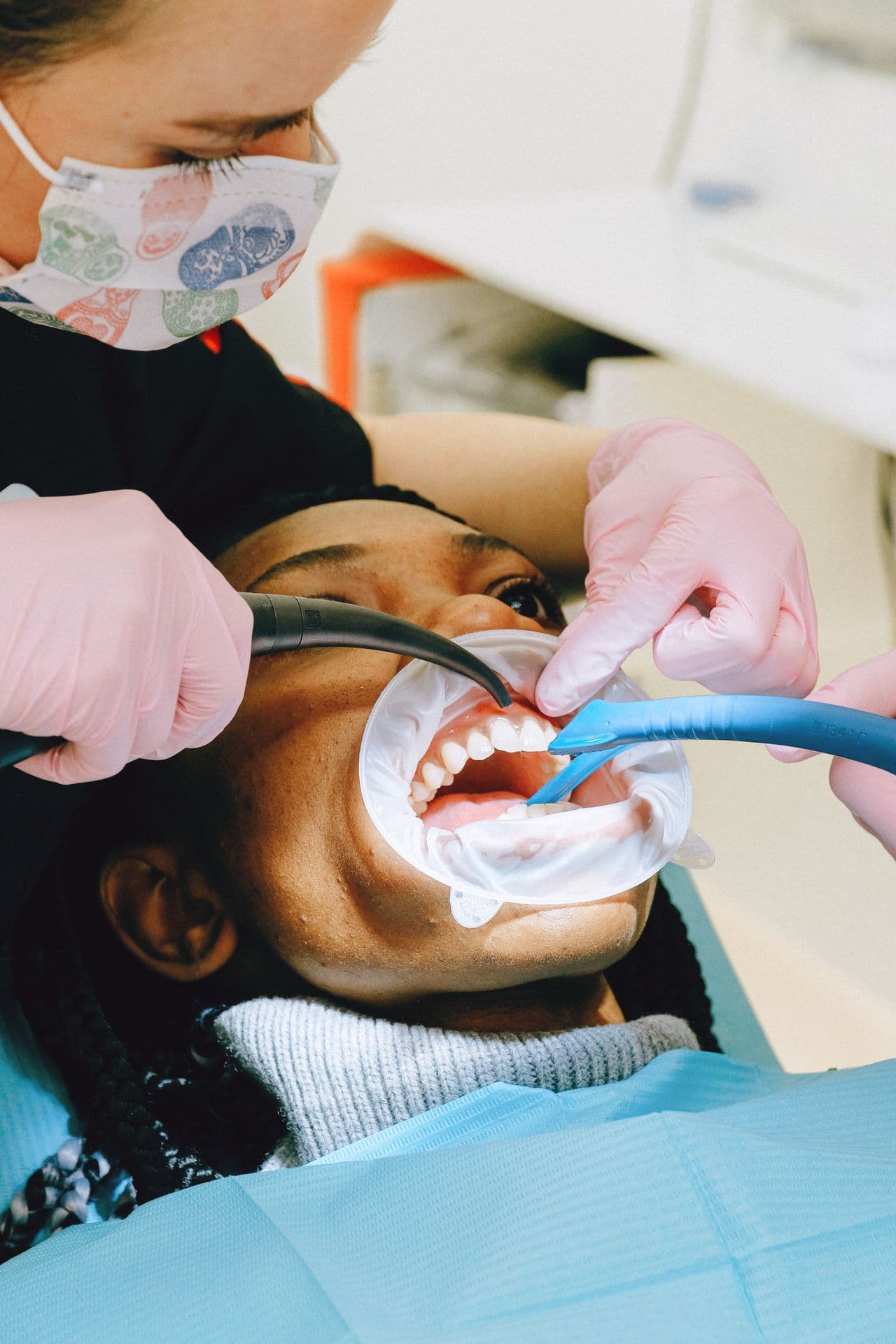
 illustrative
01 / 05 · Consultation & diagnostics
Costs & cost plan
The cost depends on the type of brackets (metal, ceramic or lingual) and the scope of treatment. For children and adolescents, statutory health insurance often covers the cost given the appropriate indication; for adults, treatment is usually a private service. After the diagnostics you receive a transparent cost plan.
Frequently asked questions
What types of braces are there?
The most common fixed options are metal brackets, tooth-coloured ceramic brackets and lingual brackets on the inside of the teeth. They differ mainly in visibility and cost – we'll advise you on which suits you best.
How long do I need to wear braces?
That depends on the starting situation. Minor corrections succeed faster, while more extensive misalignments take longer. After the diagnostics we can estimate the likely treatment duration well.
Does fitting the brackets hurt?
Fitting itself is painless. In the first few days after fitting or after adjusting the wire, a slight feeling of pressure can occur – a sign that the teeth are moving. It usually eases quickly.
What's the difference compared to aligners?
A fixed brace stays in the mouth continuously and is not removed, while aligners are removable, transparent trays. Which solution makes sense depends on the misalignment and your personal preferences.
Is there anything to watch out for when eating?
You should avoid very hard, sticky or crunchy foods, as they can damage the brackets or wire. Otherwise you can eat largely as normal.
How do I clean my teeth with braces?
Braces require more thorough oral hygiene: interdental brushes and special toothbrushes help remove deposits around the brackets. We'll show you the right cleaning technique and recommend regular professional dental cleanings.